

Accredited Continuing Education
Human Infrastructure for Healthcare Teams
Reduce turnover. Strengthen leaders.
Make change stick.
One-time training doesn’t work
This is a managed onboarding and leadership development system that continues to operate as your workforce
changes—ensuring consistency, clarity, and stability across your organization.




Companies invest heavily in technology and infrastructure but underinvest in people - human infrastructure.
Across healthcare organizations, the same four challenges surface again and again. Without the operational capability to address them, the result is burnout, turnover, and diminished outcomes.

Workforce Stability
What's the value of a 1% improvement in turnover?

70% of the variance in team engagement is determined solely by the manager.
Average cost of turnover per bedside RN is $61,110, with annual hospital losses of $3.9M to $5.7M.
It's the Manager, Gallup; 2026 NSI National Health Care Retention & RN Staffing Report

Leadership Capability
How do we equip leaders who were promoted for technical skills to lead people?

Hospital and health system CEOs should be working to ease stress for their younger workers to ensure staff are supported and eager to remain in the profession.
29% of nursing turnover happens within the first year of employment.
2026 NSI National Health Care Retention & RN Staffing Report

Communication
What is the cost of miscommunication? Rework, delays, morale, turnover.

Treat others as they want to be treated. The Platinum Rule.
"The single biggest problem in communication is the illusion that it has taken place."
— George Bernard Shaw

Adaptability to Change
How do we lead initiatives that generate sustained behavior change and positive ROI for initiatives such as digital transformation?

When the people leading the transformation can't read the people living it, even the best-designed initiative stalls.
70% of digital transformations fail to meet their goals, primarily due to human factors.
When Senior Leaders Lack People Skills, Transformations Fail, Harvard Business Review
What is the impact of emotional intelligence?
Veterinary teams face challenges, from high-stress environments and team burnout to emotionally charged client interactions. Leaders want to retain team members, and pet parents may feel overwhelmed in critical decision-making moments. Developing Emotional Intelligence results in strengthened teamwork, reduced stress, improved client relationships and a more resilient, high-performing practice.
Dr. Matt Hawk on building social intelligence in veterinary teams
A managed onboarding and leadership system
Not a one-off workshop
What you get
- ✓ Live Kickoff
- ✓ Communication style (DISC) assessment for every team member and every new hire
- ✓ Ongoing new manager onboarding sessions
- ✓ Live coaching sessions to sustain change
- ✓ On-call coaching support through the year
- ✓ Perpetual access to online resources
What changes for you
- ▲ Workforce stability - a more stable workforce, with improved employee satisfaction, reduced turnover, and more consistent performance
- ▲ Team Collaboration - smoother communication within teams and between teams, improving morale, efficiency, and patient outcomes
- ▲ Leadership Capability - empowered leaders who optimize communication in terms of setting expectations, giving feedback, and resolving conflicts
- ▲ Change Adoption Faster and more consistent adoption of new technologies and systems
Our Approach
The Core Capabilities of High-Performing Teams
Built on behavioral science and DISC methodology, this is a practical, learnable skill set that individuals can apply and organizations can operationalize. Not theory. Not another model. A complete system for building human infrastructure, one behavior at a time.
Four Core Capabilities
Awareness - Reading the Room

Reduces friction by improving awareness, judgment, and response in real-time situations
Communication - Connecting Effectively

Drives clearer, more effective interactions that reduce errors and improve teamwork
Collaboration - Working Across Teams

Improves cross-team execution by eliminating breakdowns in coordination and communication
Adaptability - Navigating Change

Accelerates adoption of change with improved engagement, consistency, and follow-through
Leadership Capabilities
Setting Expectations
Set and repeat expectations so team members know how to communicate and collaborate.
1:1 Coaching
Provide performance feedback and supportive accountability tailored to the communication style of every team member.
Team Meetings
Create clarity and alignment on the team by leveraging style strengths and by customizing your communication for team members.
Conflict Reset
Surface issues, understand perspectives, and realign on shared outcomes using a structured conversation.
Leading Through Change
Help teams adopt change by taking styles into account when clarifying the purpose of change, setting expectations, and supporting follow-through.

Grounded in DISC behavioral science. Refined over 25 years across corporate and healthcare environments.
How it works
Discovery call
We learn about your team's challenges and goals
Assessment
Every team member gets a personal behavioral style profile
Coaching + training
Live training sessions, ongoing coaching and support, and Continuing Education credits, if applicable (from SHRM, AGD, or RACE)
What others are saying about emotional intelligence and DISC
"It gives you a framework for how to communicate with each other. Understanding not only who you are and what makes you tick, but also others, makes the team work more smoothly with less conflict."
"Emotional intelligence is the strongest predictor of performance in physician leaders." "EQ training is essential for veterinary team wellbeing." "Empathy is the single most important quality in building patient trust."

Dr. Matt Hawk, PhD
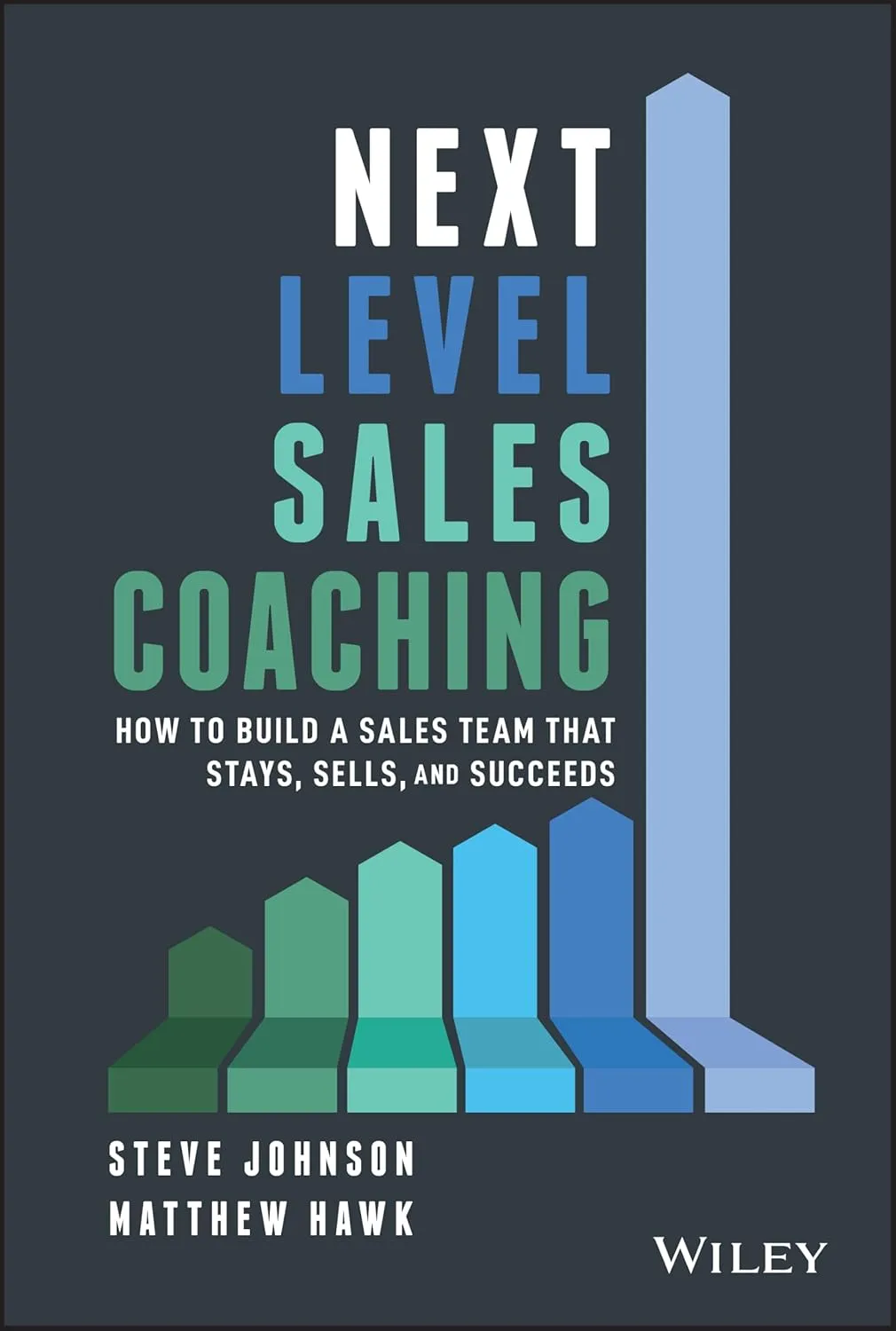
As an educator, coach, and published author, Matt has spent 25 years designing and implementing performance improvement programs across corporate and healthcare environments.
His work has evolved from training to coaching, because training alone rarely changes behavior. And from traditional enablement to behavioral science-based coaching, which offers more precise and effective ways to lead, communicate, collaborate, adapt, and influence.
 Yale University

Marc Armstrong
Marc Armstrong brings a CFO's lens to leadership development in healthcare. With decades of experience leading hospital finance functions and advising health systems, he understands exactly how workforce performance impacts the bottom line, from turnover costs to operational efficiency.
Marc partners with clients to help organizations translate better leadership into measurable financial outcomes at scale.
25 years of experience across corporate and healthcare environments
 Google
  Microsoft
  MetLife
  CareCredit
  Synchrony
  American Express
  Toyota
 Ready to transform your team?
Start with a free DISC assessment or schedule a discovery call.
or
Schedule a Discovery Call